|
Home
| Atopica Q&A
|
| |
 |
 | ATOPICA® (Cyclosporine capsules, USP) MODIFIED Question & Answer |
|
|
|
|
 |
|
|
|
|
 |
| What is atopic dermatitis? |
 |
|
Atopic dermatitis is an allergic skin disease caused by common allergens such as pollens, molds and dust mites. It causes itching and can be so severe that the dog’s scratching can lead to complications such as skin lesions, hair loss, and secondary infections.
Atopic dermatitis usually occurs seasonally at first, but eventually can become a year-round problem. The disease is chronic and lasts a lifetime. It’s almost impossible to completely avoid allergens, so most atopic dogs need long-term treatment.
|
|
|
 |
| How common is atopic dermatitis in dogs? |
 |
|
Based on market research, atopic dermatitis is the most common cause of allergic dermatitis in dogs. Veterinarians estimate that 14.4 percent of dogs are affected and about two-thirds of these affected dogs are chronic cases.4
4Veterinarian market research, Burke Marketing Research, 2001. Data on file. Novartis Animal Health US, Inc.
|
|
|
 |
| What are the symptoms of atopic dermatitis? |
 |
|
Itchiness is the main symptom. Initial lesions or sores can appear as reddish patches or small, cone-shaped bumps where the dog has scratched. Atopic dermatitis has a characteristic distribution pattern. The itchiness and sores usually occur on what are referred to as the five F’s: the face—especially the ears, the feet, folds of skin, friction points, and flexure spots like the patch of skin over the elbow.
Atopic dogs scratch, bite, lick and rub until they lose hair and irritate the skin. Over time, the skin may thicken and produce higher levels of oils, often producing an odor. Inflamed ears are common and may be the owner’s primary concern. A high percentage of dogs with atopic dermatitis also develop secondary bacterial and yeast infections in their skin.
|
|
|
 |
| What are the other types of canine allergic dermatitis? |
 |
|
Dogs can also be affected by food allergies, flea allergies and contact dermatitis. It’s important for your veterinarian to rule out these other potential causes of your dog’s itching.
|
|
|
 |
| Is atopic dermatitis a chronic condition? |
 |
|
Atopic dermatitis is usually a lifelong disease that requires long-term treatment. The first signs usually appear between the ages of 6 months and 3 years, after a dog has developed sensitivities to common allergens like house dust, mites, pollens and molds. Atopic dermatitis can’t be cured, but the itching and secondary infections can be managed.
|
|
|
 |
| Are some dogs more prone to atopic dermatitis than others? |
 |
|
Yes, many dogs are genetically predisposed to develop the condition. Studies have shown that if both parents are affected, about 60 percent of their offspring will develop the allergy.5
The following breeds have been reported to have a higher likelihood of developing atopic dermatitis6:
-
Many Terrier breeds
-
Boxer
-
Cocker Spaniel
-
Dalmation
-
English Bulldog
-
English Setter
-
Irish Setter
-
Labrador Retriever
-
Lhasa Apso
-
Miniature Schnauzer
-
Pug
-
Shar Pei
5Shaw S. Atopic dermatitis in the dog. Vet On-Line Professionals. 2000 Priory Lodge Education LTD.
6Vet Immunology and Immunopathology, Clinical Manifestation of Atopic Dermatitis, Vol. 81, 2001.
|
|
|
 |
| What is ATOPICA® (Cyclosporine capsules, USP) MODIFIED? |
 |
|
ATOPICA is a new therapy for the control of atopic dermatitis, the most common allergic skin disease in dogs. Unlike steroids, which are the most frequently prescribed drugs for atopic dermatitis, ATOPICA selectively targets specific immune cells responsible for the dog’s allergic response. ATOPICA comes in soft gelatin capsules.
Based on results from several studies, ATOPICA was generally well tolerated in dogs. As with all drugs, side effects may occur. In a field study, the most common side effects were gastrointestinal signs. Gingival hyperplasia and papillomas may also occur during the initial dosing phase. ATOPICA is not for use in reproducing dogs or dogs with a history of malignant neoplasia. See product insert for prescribing information.
|
|
|
 |
| What other products are available to treat atopic dermatitis? |
 |
|
The options for controlling atopic dermatitis include avoiding allergens, using barrier-type products like shampoos to reduce exposure of the skin to allergens, and administering various medications like antihistamines and antimicrobials to help control the itching and treat secondary infections.
|
|
|
 |
| How does ATOPICA compare to corticosteroids? |
 |
|
Steroids provide quick relief, but they can cause many side effects, especially after they’ve been given for an extended period of time. Side effects develop because steroids affect many different organs.
ATOPICA, on the other hand, inhibits activation of specific immune cells involved in the allergic reaction.
Based on results from several studies, ATOPICA was generally well tolerated in dogs. As with all drugs, side effects may occur. In a field study, the most common side effects were gastrointestinal signs. Gingival hyperplasia and papillomas may also occur during the initial dosing phase. ATOPICA is not for use in reproducing dogs or dogs with a history of malignant neoplasia. See product insert for prescribing information.
|
|
|
 |
| What are the risks of long-term steroid use for atopic dogs? |
 |
|
Some common side effects include excessive urination, thirst and overeating. When given for long periods of time, steroids can affect vital organs, leading to problems such as Cushing’s syndrome, which can be life-threatening. Because of these side effects, many pet owners want to avoid giving steroids to their dogs. In a recent survey of veterinarians, they stated that 11 percent of their clients refused to give steroids to their dog and 24 percent requested steroid use be minimized.7
Based on results from several studies, ATOPICA was generally well tolerated in dogs. As with all drugs, side effects may occur. In a field study, the most common side effects were gastrointestinal signs. Gingival hyperplasia and papillomas may also occur during the initial dosing phase. ATOPICA is not for use in reproducing dogs or dogs with a history of malignant neoplasia. See product insert for prescribing information.
7Veterinarian Survey, Burke Market Research, May 2001.
|
|
|
 |
| How does ATOPICA work? |
 |
|
ATOPICA selectively targets specific immune cells that cause the dog’s scratching, chewing and other responses to allergens. By targeting these cells, the allergic response is blocked.
Based on results from several studies, ATOPICA was generally well tolerated in dogs. As with all drugs, side effects may occur. In a field study, the most common side effects were gastrointestinal signs. Gingival hyperplasia and papillomas may also occur during the initial dosing phase. ATOPICA is not for use in reproducing dogs or dogs with a history of malignant neoplasia. See product insert for prescribing information.
|
|
|
 |
| How quickly does ATOPICA work? |
 |
|
When ATOPICA was tested in clinical trials, significant improvement was seen in most dogs within one month. At the four week mark, pet owners reported an average reduction in itching from a rating of 4.15 to a rating of 2.78 on a 5-point scale (where 5 = constant scratching and 1 = no scratching). Veterinarians also reported a 45 percent reduction in skin lesions after four weeks of ATOPICA treatment. Individual results may vary.
Based on results from several studies, ATOPICA was generally well tolerated in dogs. As with all drugs, side effects may occur. In a field study, the most common side effects were gastrointestinal signs. Gingival hyperplasia and papillomas may also occur during the initial dosing phase. ATOPICA is not for use in reproducing dogs or dogs with a history of malignant neoplasia. See product insert for prescribing information.
|
|
|
 |
| What are the side effects of ATOPICA? |
 |
|
As with all drugs, side effects may occur. In a field study, the most common side effects were gastrointestinal signs. Gingival hyperplasia and papillomas may also occur during the initial dosing phase. ATOPICA is not for use in reproducing dogs or dogs with a history of malignant neoplasia. See product insert for prescribing information.
|
|
|
 |
| How is ATOPICA administered? |
 |
|
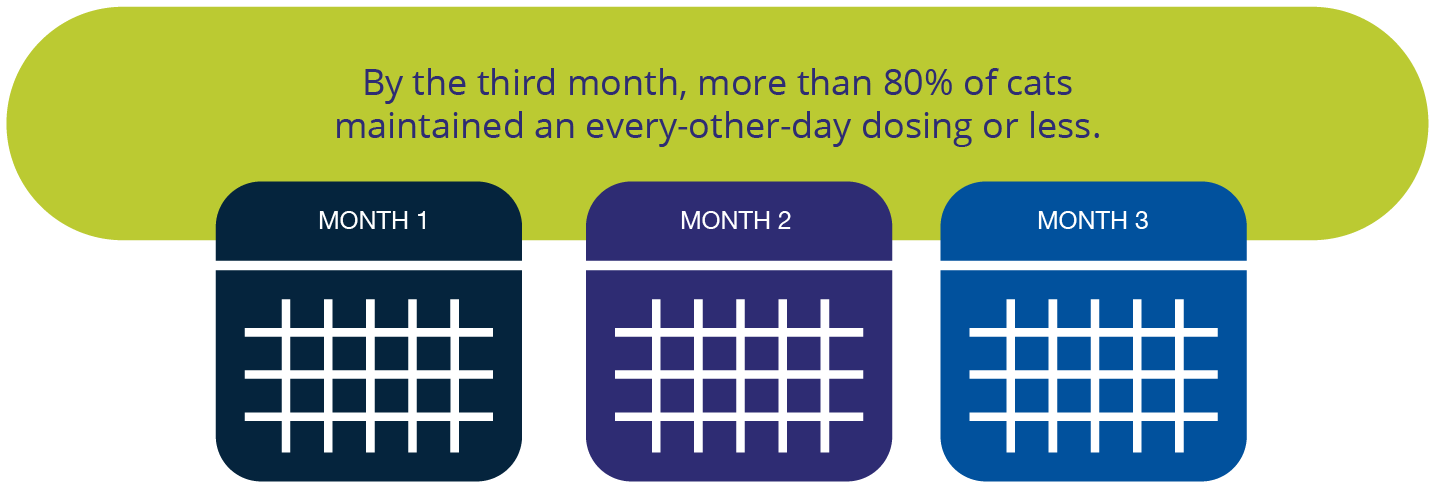
Available in soft gelatin capsules, ATOPICA is given orally as a daily dose for the first 30 days. At that point, depending on the response to therapy, your veterinarian may reduce the dose by decreasing frequency to every other day, and eventually to twice a week until a dose frequency that maintains your dog’s comfort is reached.
Based on results from several studies, ATOPICA was generally well tolerated in dogs. As with all drugs, side effects may occur. In a field study, the most common side effects were gastrointestinal signs. Gingival hyperplasia and papillomas may also occur during the initial dosing phase. ATOPICA is not for use in reproducing dogs or dogs with a history of malignant neoplasia. See product insert for prescribing information.
|
|
|
 |
| Can ATOPICA be prescribed for any size of dog? |
 |
|
No, ATOPICA can be prescribed only for dogs that weigh at least four pounds.
Based on results from several studies, ATOPICA was generally well tolerated in dogs. As with all drugs, side effects may occur. In a field study, the most common side effects were gastrointestinal signs. Gingival hyperplasia and papillomas may also occur during the initial dosing phase. ATOPICA is not for use in reproducing dogs or dogs with a history of malignant neoplasia. See product insert for prescribing information.
|
|
|
 |
| Can ATOPICA be given to cats or other animals? |
 |
|
No, ATOPICA is only approved for dogs.
Based on results from several studies, ATOPICA was generally well tolerated in dogs. As with all drugs, side effects may occur. In a field study, the most common side effects were gastrointestinal signs. Gingival hyperplasia and papillomas may also occur during the initial dosing phase. ATOPICA is not for use in reproducing dogs or dogs with a history of malignant neoplasia. See product insert for prescribing information.
|
|
|
 |
| Is ATOPICA safe? |
 |
|
A number of laboratory safety studies evaluated the tolerance of cyclosporine at various dose levels, including up to nine times the label dose. In these studies CsA, the active ingredient in ATOPICA, was not associated with long-term health issues related to major organs or systems (including liver and kidney). Possible side effects are transient vomiting, abnormal stools, oral papillomas, and gingival hyperplasia. These effects are typically reversed when the dose is tapered or the drug is withdrawn.
Based on results from several studies, ATOPICA was generally well tolerated in dogs. As with all drugs, side effects may occur. In a field study, the most common side effects were gastrointestinal signs. Gingival hyperplasia and papillomas may also occur during the initial dosing phase. ATOPICA is not for use in reproducing dogs or dogs with a history of malignant neoplasia. See product insert for prescribing information.
|
|
|
 |
| How much does ATOPICA cost? |
 |
|
In many situations, the cost of ATOPICA may be more than other therapies. However, it is important to consider the potential improvement in your pet’s quality of life. If your dog responds favorably, the dose and cost of ATOPICA will likely be reduced over time.
Based on results from several studies, ATOPICA was generally well tolerated in dogs. As with all drugs, side effects may occur. In a field study, the most common side effects were gastrointestinal signs. Gingival hyperplasia and papillomas may also occur during the initial dosing phase. ATOPICA is not for use in reproducing dogs or dogs with a history of malignant neoplasia. See product insert for prescribing information.
|
|
|
 |
| What kinds of studies have been done on ATOPICA? |
 |
|
The safety and efficacy of ATOPICA has been extensively tested in laboratory trials and in the real world. The results of these studies confirm that ATOPICA generally well tolerated when given to dogs at the recommended dose.
As with all drugs, side effects may occur. In a field study, the most common side effects were gastrointestinal signs. Gingival hyperplasia and papillomas may also occur during the initial dosing phase. ATOPICA is not for use in reproducing dogs or dogs with a history of malignant neoplasia. See product insert for prescribing information.
|
|
|
|
|
 |